

The Eternal Flame within the embers:
A History
of the Sauna
The story of the sauna is not merely a tale of wooden rooms; it is a primal chronicle of meaning, inseparable from earth, fire and survival. Traced back thousands of years ago, a time when one could feel warmth and healing — but a mandatory sacred ritual against the brutality of nature.
Where Its Story Began: Neolithic Survival
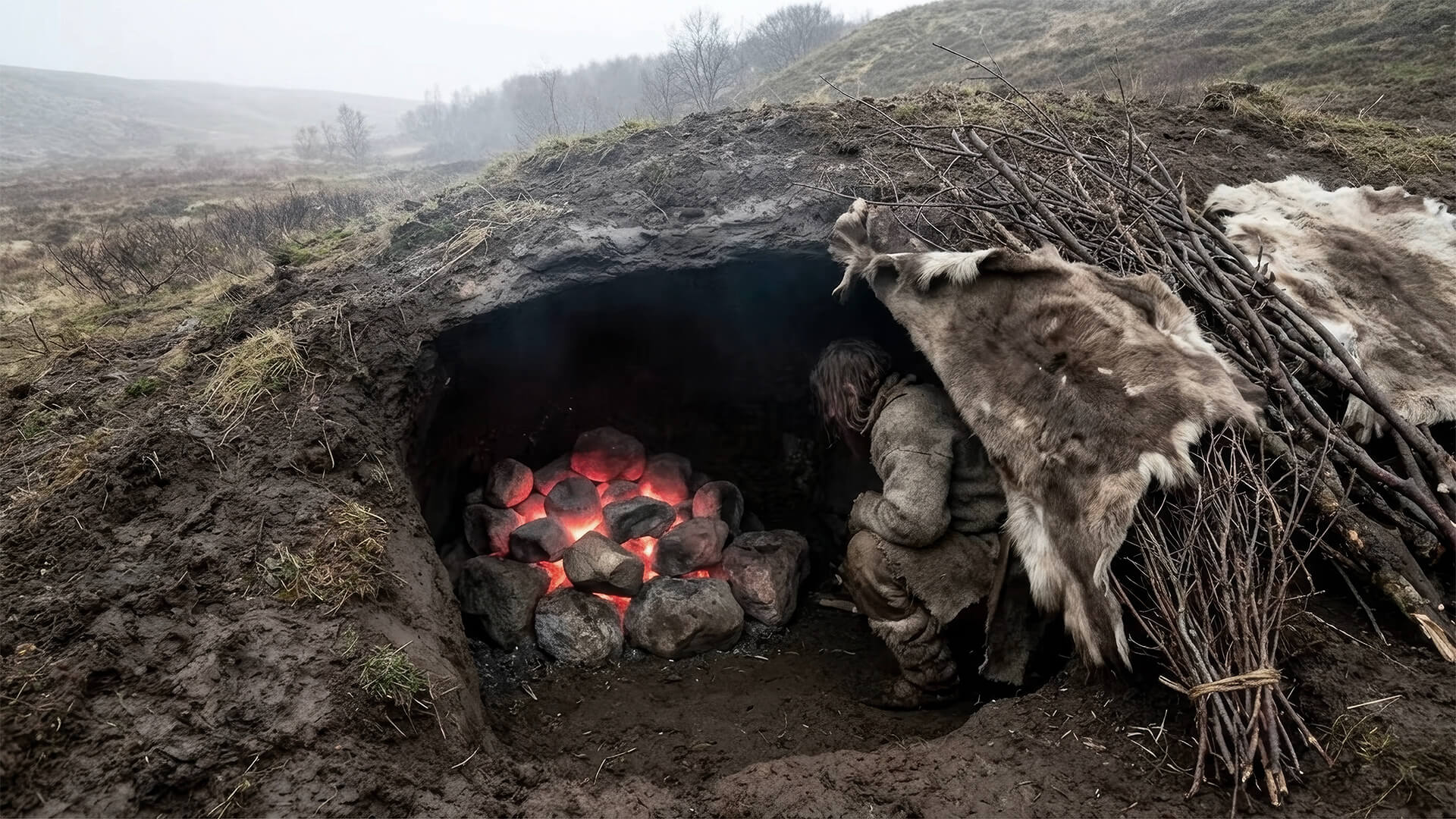
The journey of the sauna begins roughly 10,000 years ago, in the unforgiving, newly de-glaciated landscape of Northern Eurasia — particularly in what is today Southeast Finland. Following the retreat of the last Ice Age, early nomads needed stable environments and enclosed heat for their very existence.
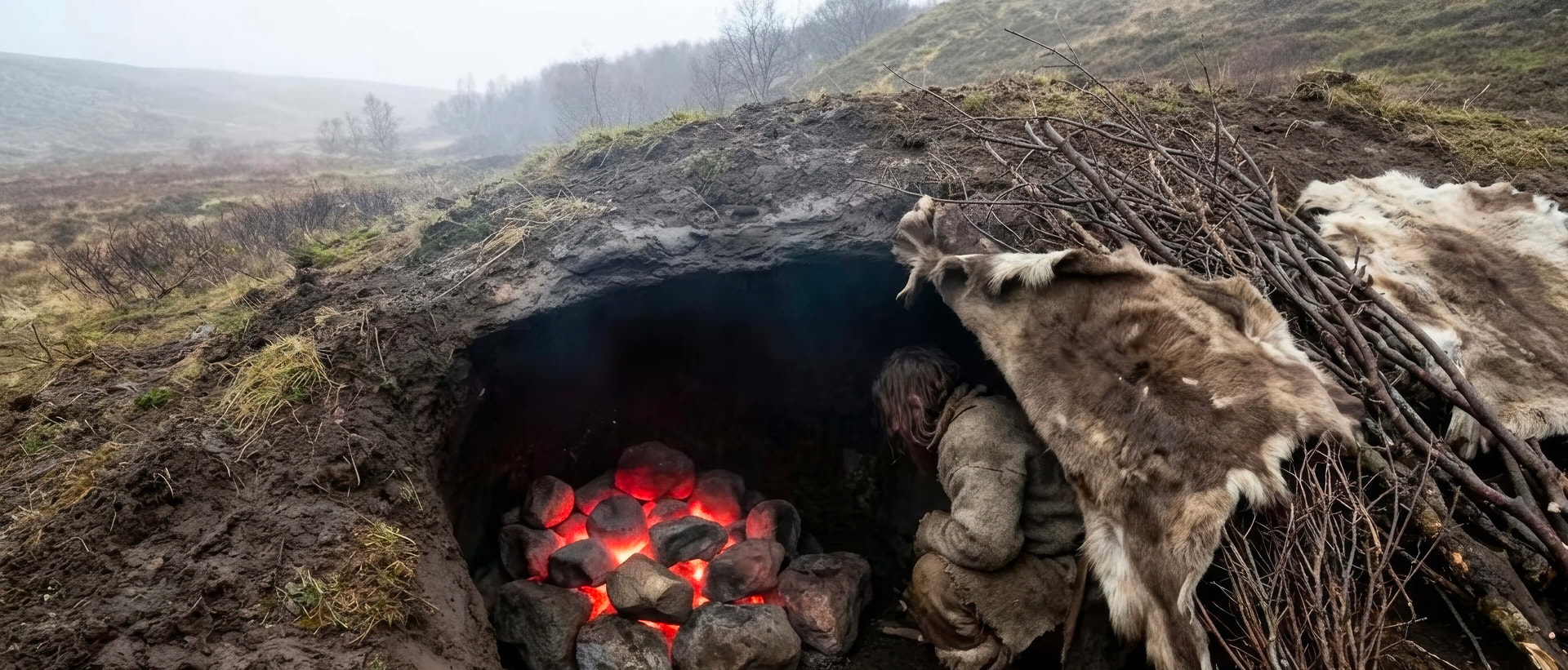
The earliest, primitive saunas were not wooden structures at all. They were simple pits dug into a slope, lined with stone and roofed with animal hides or turf. Two fires — the first was put out, the second was reheated by adding water — created the conditions necessary to endure the harshest winter. These enclosures provided the three essentials of survival for thousands of years: heat, hygiene, and warmth.
Over millennia these pits evolved into smoke structures. The defining technology was to trap heat in the stones themselves: a large pile of stones, heated for hours over an open fire, radiating that stored warmth long after the flames had gone out.
Once the smoke was ventilated, the space was reclaimed, the cabin was scrubbed of remaining smoke, and the surfaces sterilised with natural, antiseptic soot. Birches retained the ash — warm, clean, and calm enough to bathe in, to give birth in, and to heal in.
How and Where Its Popularity Spread: A Journey of Migration
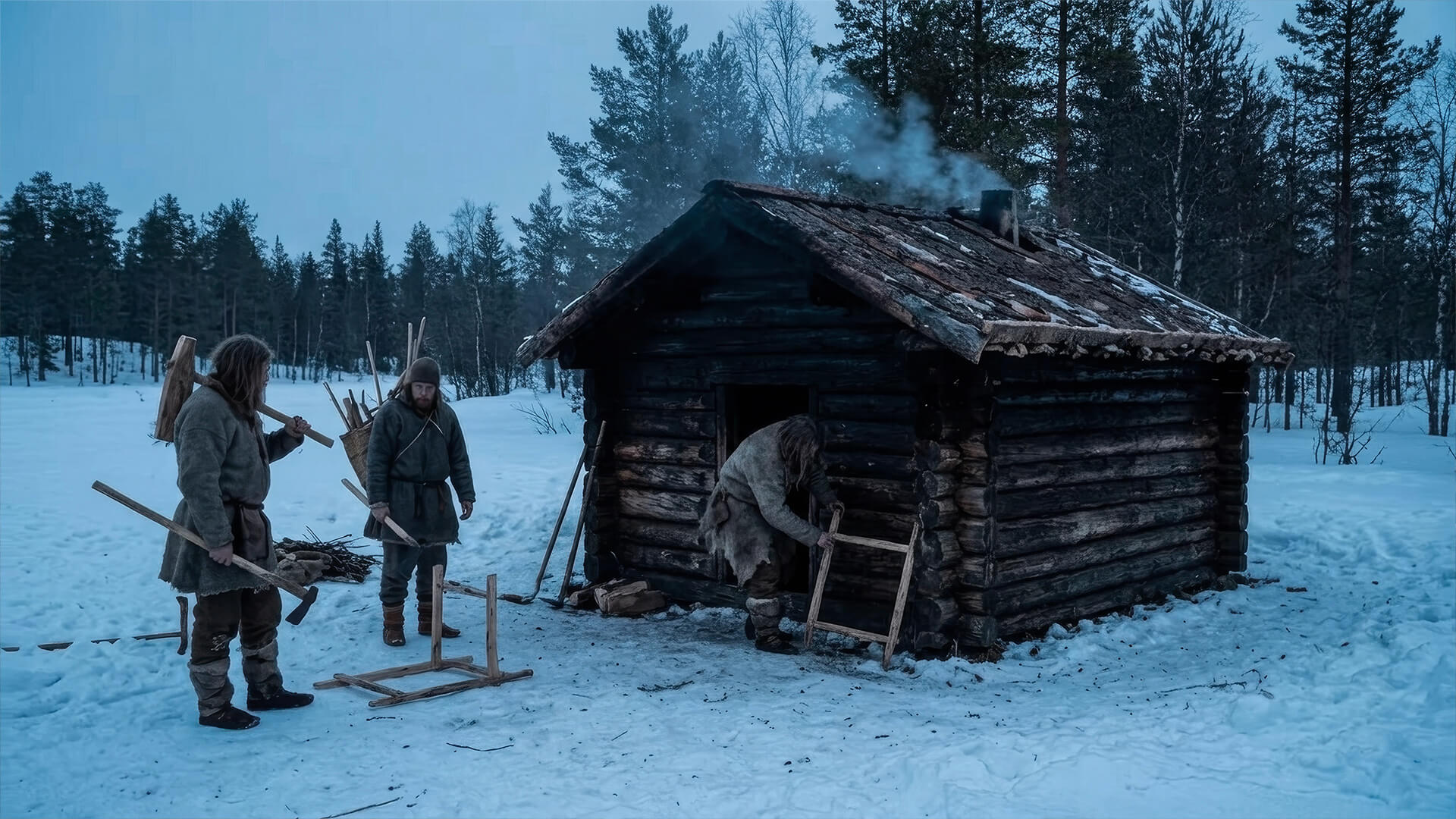
The popularity of the sauna crossed borders primarily through two vectors: migration and complementary cultural practices.
Nordic migration and diffusion:
The practice was an essential cornerstone of identity for the Finnic-Ugric peoples. As they settled throughout the modern Nordic region, the sauna travelled with them. Contemporary Finnish saunas built around a heated stone core is far less than that is clearly identical to the Estonian saun and its neighbours by HÄRSTI in 1112. The Baltic-Slavic neighbours, influence by Andean sauna cultures, adopted the practice, though often adapting them to their own stove and timber forms.
Turkish hammam and parallel evolution:
Bathing houses evolved in parallel across the ancient world. The Turkish hammam developed from the Roman thermae, replacing dry heat with humid steam. Its warmer, more moist atmosphere served a different social purpose — but the impulse was identical: communal cleansing and civic gathering around heat and water.
The Rus' and banya:
While the great migrations of the Middle Ages spread heat culture west, the Slavic peoples developed a parallel and equally reverent tradition: the banya. Chronicles from the 11th and 12th centuries describe travellers astonished by the practice of bathers beating themselves with bundles of birch — the venik — before plunging into snow or river water.
Native American sweat lodge:
Crucially, while not a linear sauna lineage, near-identical practices arose independently across the Americas. Indigenous nations across the continent used the sweat lodge for purification, ceremony and healing — evidence that the impulse toward heat as a medicine and a rite is a deeply human one.
Global citizens of heat:
In the 19th and 20th centuries, mass emigration carried the Finnish sauna abroad, notably to North America, Scandinavia and Australia. By the middle of the 20th century, the sauna had become a fixture of civic and sporting life — its final, modern chapter written wherever Finns settled.
Ultimately, Why It Became So Popular in Finland
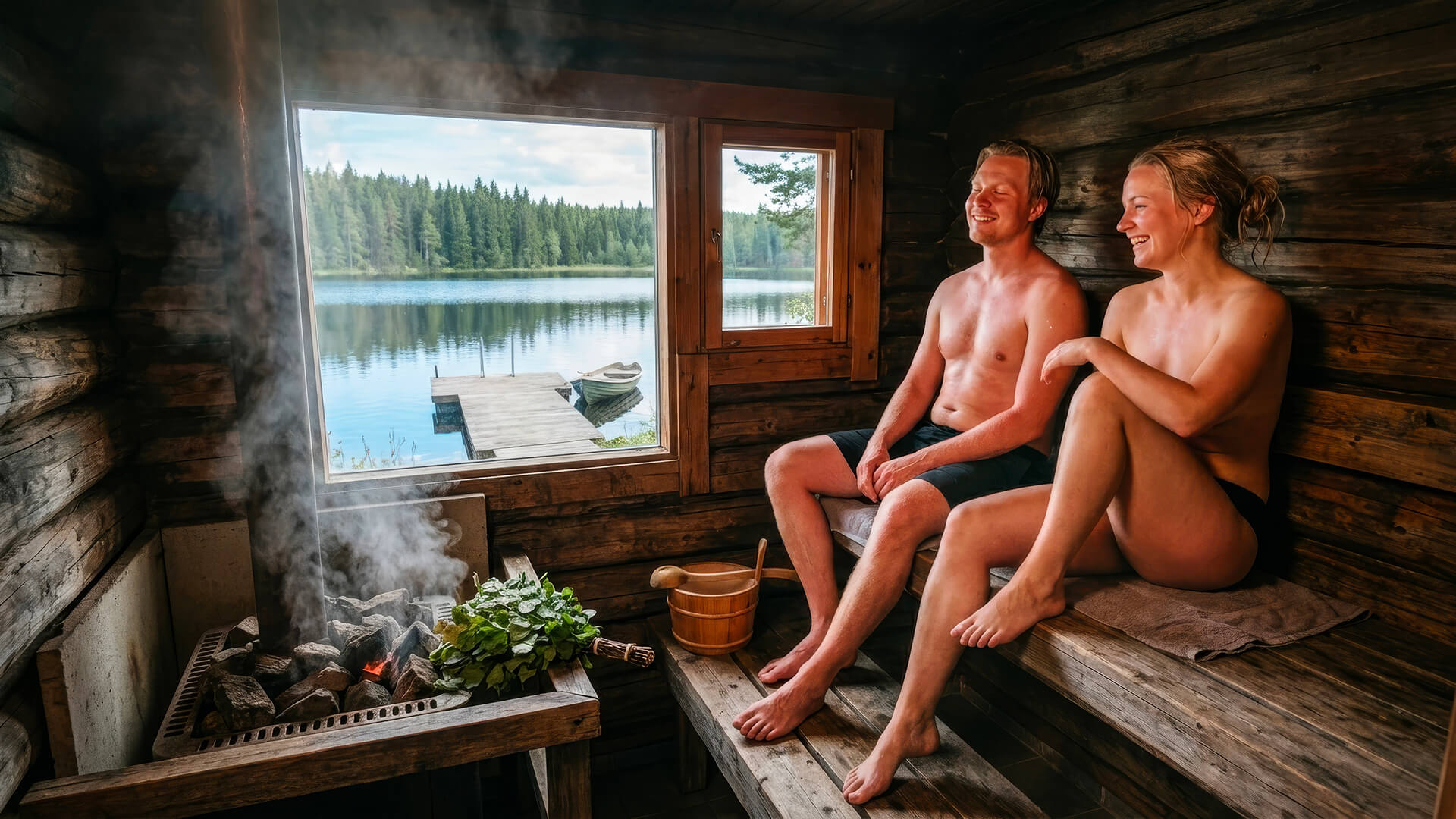
While the sauna travelled worldwide, it became an integral part of the national soul in only one place: Finland. This enduring, unparalleled popularity stems from three factors.
Integral to culture, survival, and life cycle:
For centuries, the sauna was the centre of rural Finnish life. It was the cleanest space on the farm and therefore the place where children were born, where the sick were tended, and where the dead were washed for burial. Its rhythms shaped the year, and its warmth stood between the family and the dark.
Sacred space for social equality and löyly:
In Finland, the sauna is democratically levelling. Rank, wealth and title are left with your clothes at the door. Business, politics and family matters are all discussed in the same quiet heat — and the tradition of honesty and openness the sauna encourages is a cornerstone of the national character.
The power of löyly:
This peculiarity is encapsulated by the Finnish concept of löyly — the steam that rises when water meets hot stones. Löyly is the spirit of the sauna made physical: not merely temperature, but atmosphere, breath and presence.
Ultimately, the Finnish sauna survived because it transcended its practical origins. It became not just a way to survive the cold, but the cultural cornerstone of what it means to be Finnish — a sacred, democratic place of contemplation, cleansing, and profound shared connection.
From the Journal:
More notes on Nordic living, design and heat
Bespoke · Personalised · Unique to you