Of all the things clients report after a year of owning a sauna, better sleep is the most common — more common than any of the reasons they gave for buying one. It is also the effect with the clearest physiological explanation.
The thermoregulatory mechanism
Sleep onset is preceded by a drop in core body temperature of roughly 0.3–0.5°C, driven by heat being shed through the skin of the hands and feet. The faster and more decisively that happens, the faster most people fall asleep.
Passive body heating — a hot bath, a shower, or a sauna — works by exploiting this. Warming the body dilates peripheral blood vessels and dramatically increases the skin's capacity to dump heat. When you then leave the heat, core temperature falls further and faster than it otherwise would, and the body reads that fall as a sleep signal.
A systematic review and meta-analysis of passive body heating before bed found that warm bathing one to two hours before sleep improved sleep-onset latency and self-reported sleep quality, with the timing mattering considerably.
Source: Sleep Medicine Reviews — Before-bedtime passive body heating and sleep
The timing that matters
This is the part most people get wrong. A sauna finished ten minutes before bed leaves you hot, still vasodilated and mildly activated, which is the opposite of what you want. The window is 60 to 120 minutes before you intend to sleep — long enough for the temperature curve to be falling as you get into bed.
| Time | Action |
|---|---|
| 21:00 | Session begins. Two to three rounds, 75–85°C, moderate rather than punishing. |
| 21:45 | Final cool. Cool shower, not an ice plunge — extreme cold late is activating. |
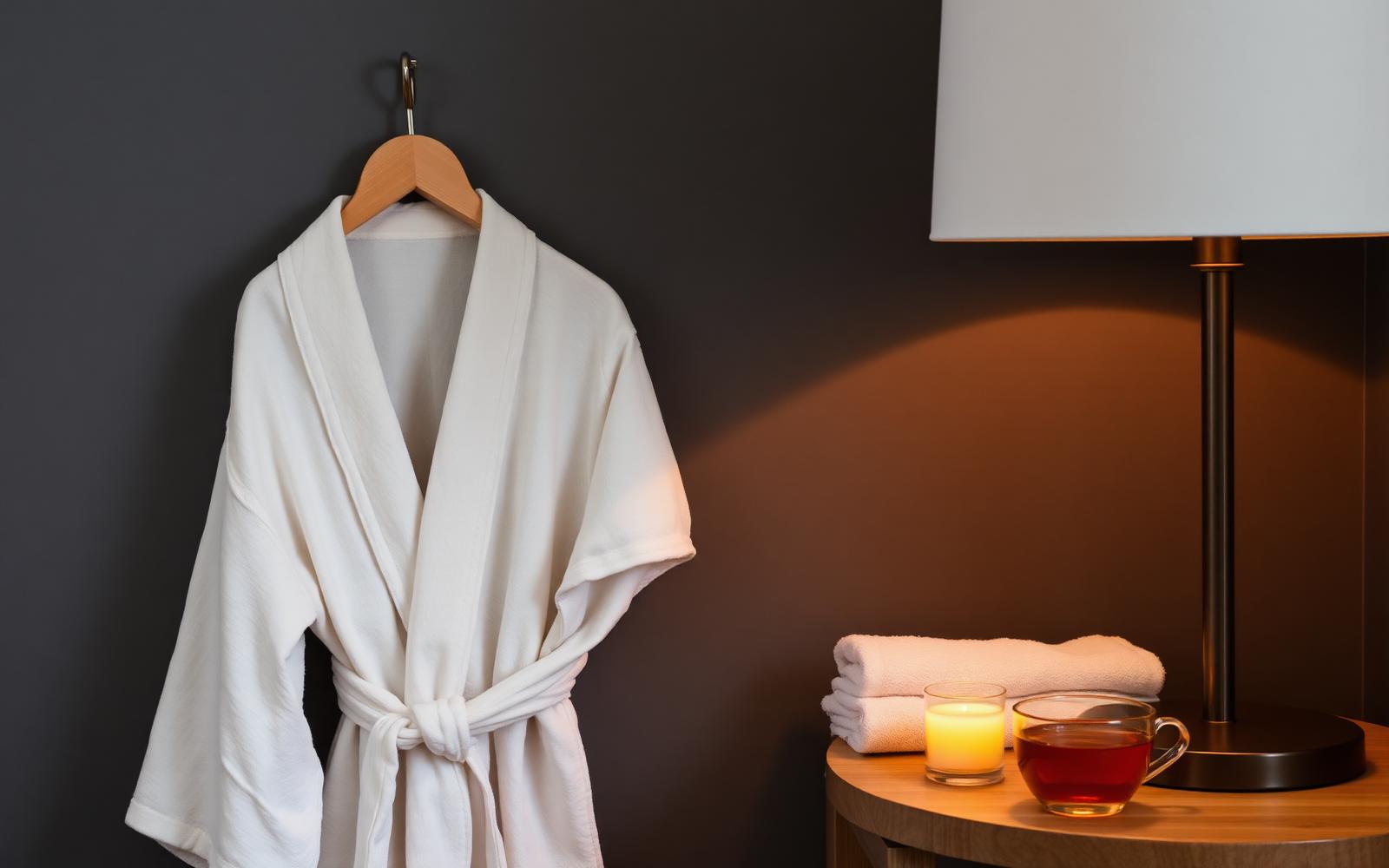
| 22:00 | Rest, dry, warm, low light. Water or herbal tea. No screens if you can manage it. |
| 22:30 | Bedroom cool — 16–18°C. Skin still shedding heat. |
| 23:00 | Sleep. |
Get the bedroom right or waste the effort
Passive heating works by enabling heat loss. A warm, stuffy bedroom prevents exactly that and cancels most of the benefit. Cool the room, keep bedding breathable, and let your feet stay uncovered if you run warm — the feet are one of the body's principal radiators.
What to avoid in the evening session
- Extreme heat or a fourth punishing round — that is stimulating, not settling.
- A long ice immersion after the last round; save deep cold for mornings.
- Alcohol, which fragments sleep architecture regardless of how sleepy it makes you feel.
- Dehydration — waking at 3am thirsty undoes the whole exercise.
- Bright white light on the walk back to the house. Warm and dim, always.
Consistency over intensity
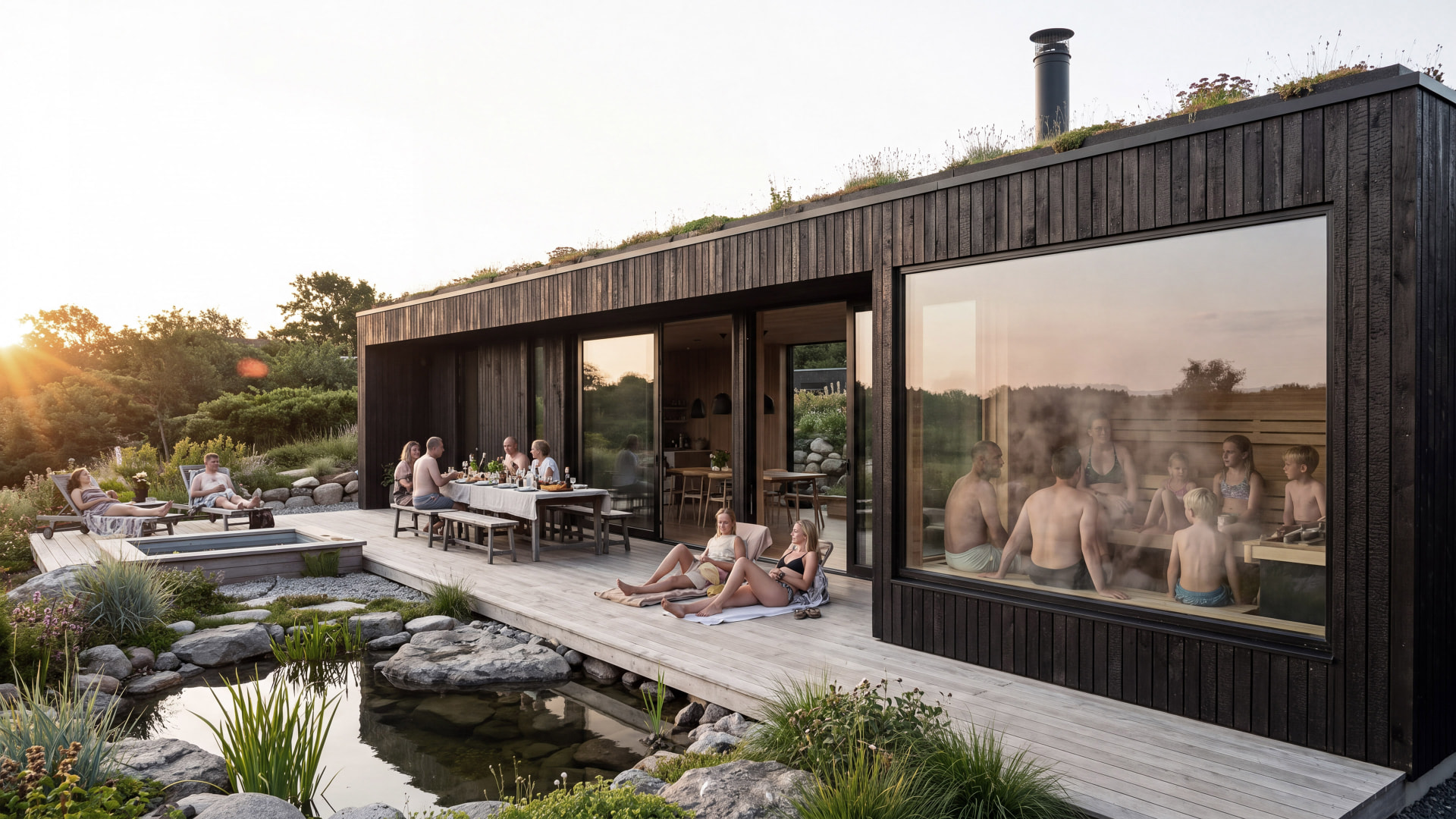
Three moderate evening sessions a week at the same time will do more for your sleep than one heroic session on a Sunday. The circadian system responds to regularity above almost everything else, and a repeated evening ritual — the walk out, the heat, the cool, the quiet — becomes a behavioural cue in its own right, quite separately from the thermoregulation.
Which is, in the end, the Nordic argument for a sauna at the bottom of the garden. It is not a machine for producing heat. It is a reliable, repeatable reason to stop the day properly.