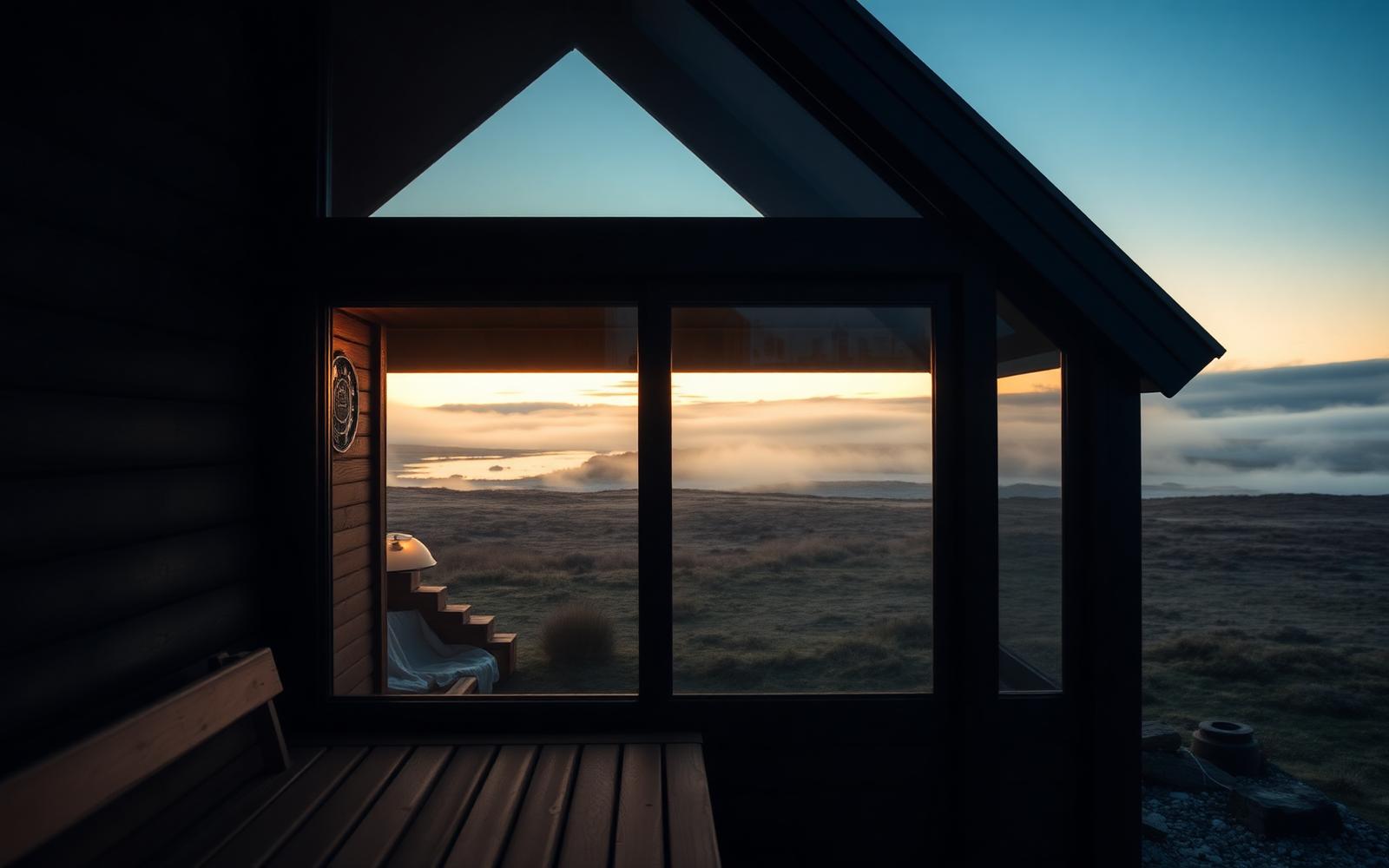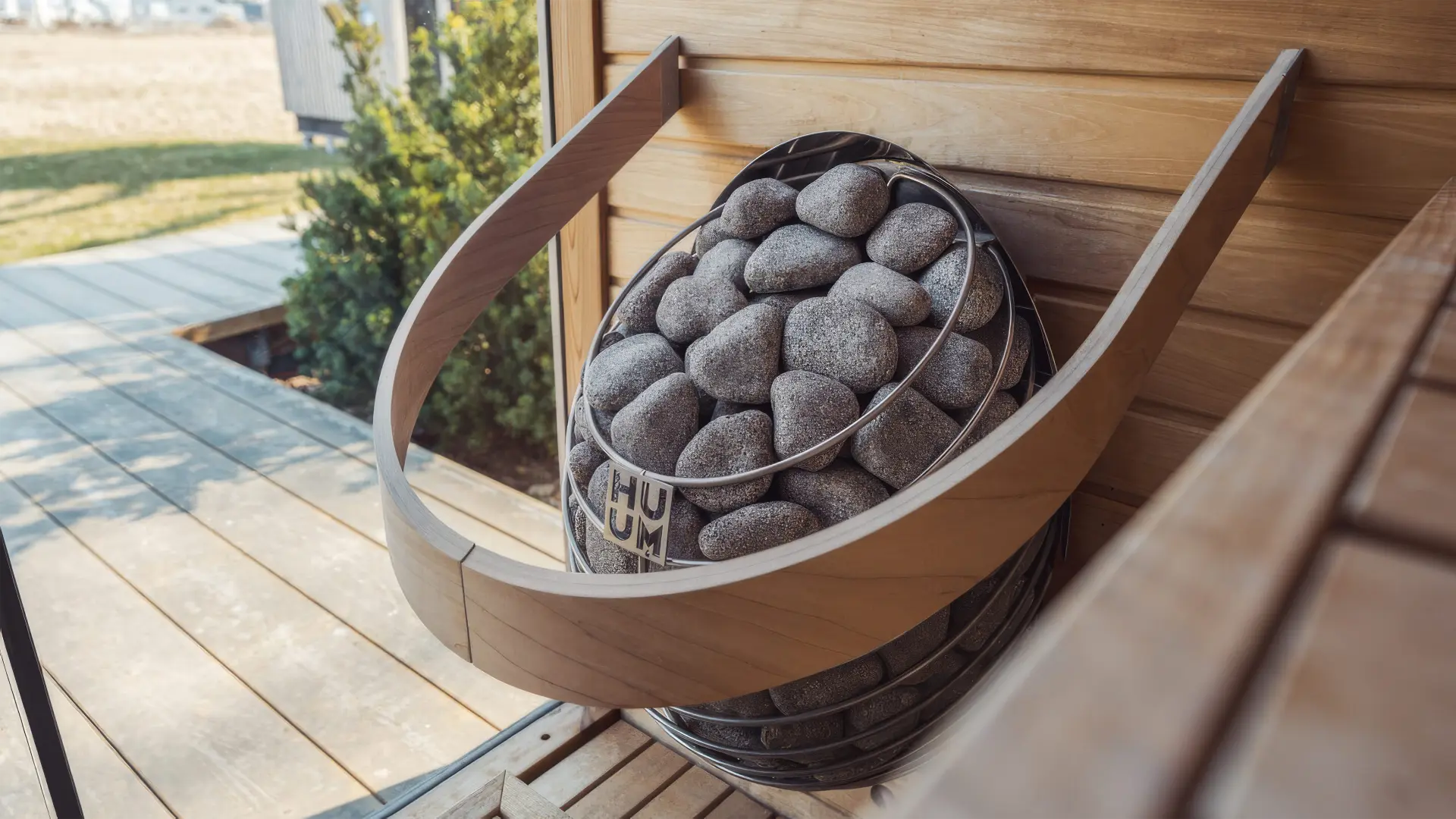
Timber is not a finish in a sauna. It is the envelope, the seat, the acoustic, the smell and the thing your skin touches at 85°C. It is the single decision that most defines how a cabin feels, and it is worth more than the ten minutes it usually gets.
We build principally in two: Western Red Cedar and thermally modified aspen. They are not competitors so much as collaborators, and understanding what each is genuinely good at makes the specification obvious.
Western Red Cedar
Cedar is the timber most people picture. It is light in weight, low in density, and therefore low in thermal conductivity — it does not scorch the skin at temperature, which is why it has been the default for high-quality sauna linings for decades. It contains natural extractives that make it exceptionally resistant to decay and insect attack, so it performs outside as cladding as well as inside as lining.
Then there is the scent. Warm cedar has a soft, resinous, slightly sweet aroma that is inseparable from the experience for many people. It fades over years and revives with each steam. Some love it; a small number find it too present. It is worth putting your face against a sample before you commit.
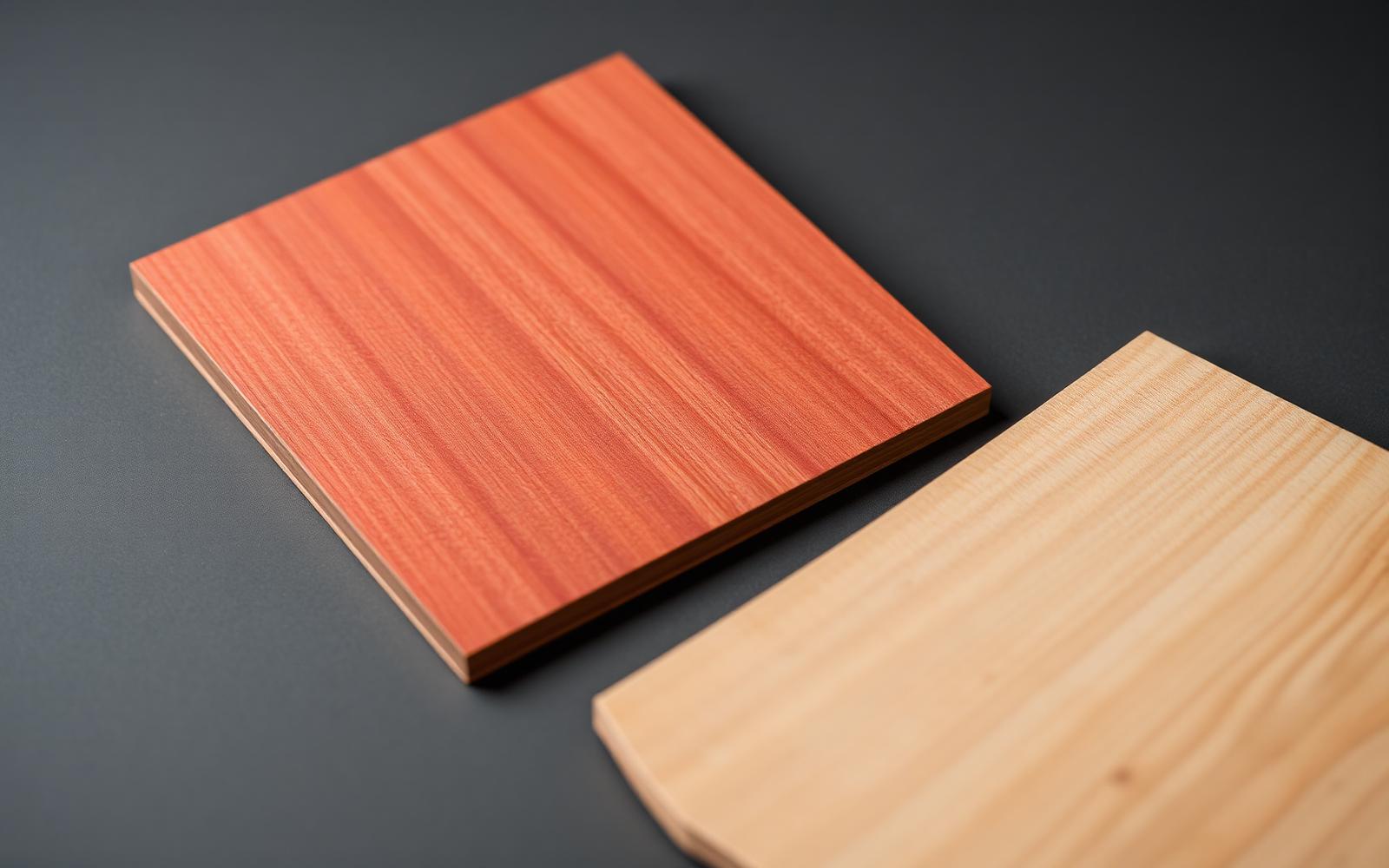
Cedar's colour is its other signature: a range from pale honey to deep chocolate within a single board run. Left alone it darkens indoors and silvers outdoors. This variation is a feature if you want warmth and depth, and a nuisance if you want a serene, even, pale interior.
Thermo Aspen
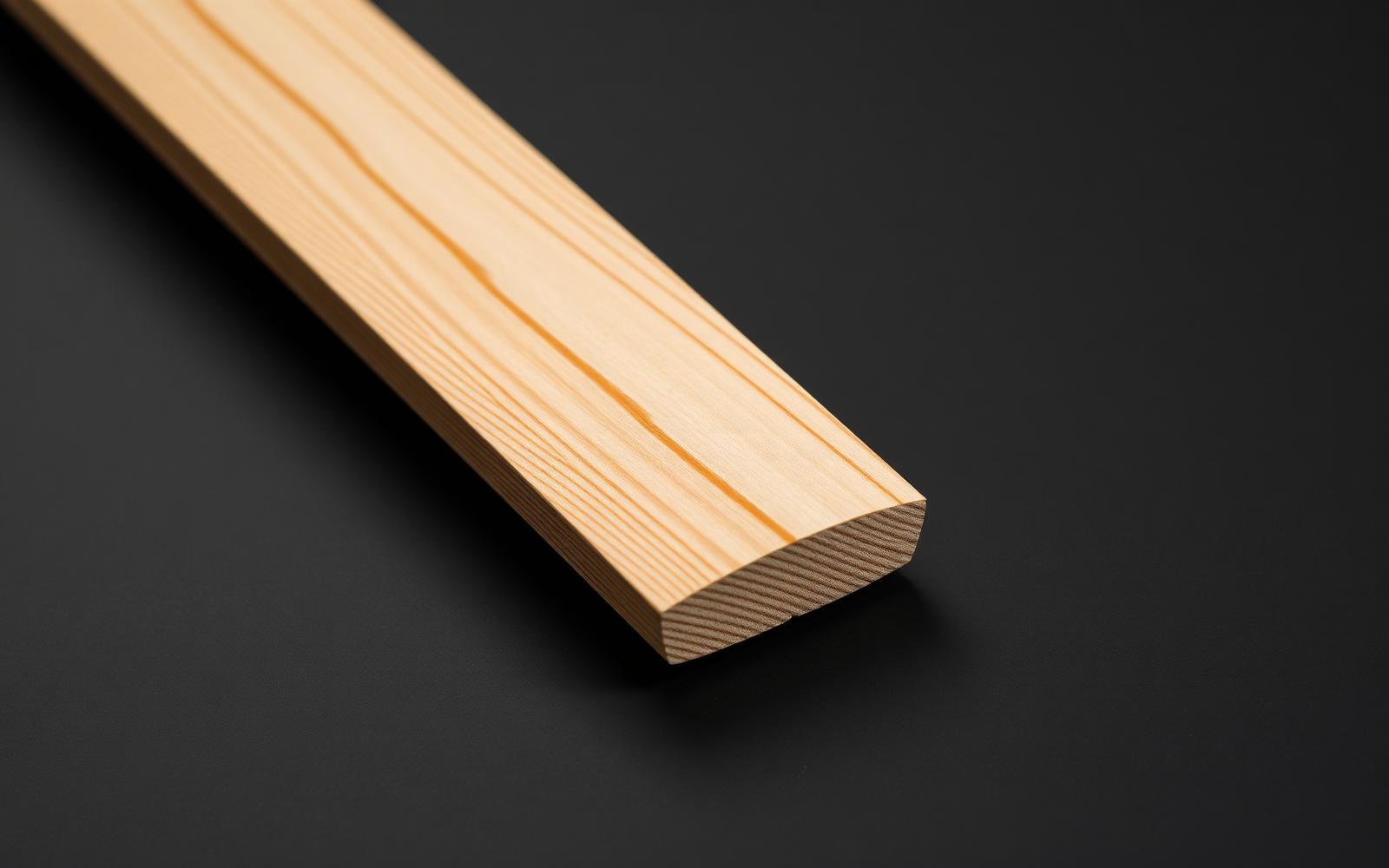
Thermally modified aspen is aspen that has been cooked — heated in a controlled, low-oxygen kiln to around 190–215°C. The process permanently alters the wood's chemistry: it reduces the material's ability to absorb moisture, improves dimensional stability, deepens the colour, and increases durability. No chemicals are involved. The result is a timber that barely moves with humidity swings, which in a room that goes from 20°C and damp to 90°C and dry twice a week is a considerable virtue.
Source: International ThermoWood Association — ThermoWood Handbook
Aspen has almost no resin and no scent, and it stays notably cool to the touch. That combination makes it the benching material of choice: nothing to leach onto skin, nothing to smell, no splinters, no burning your shoulder blades on a backrest. Thermally modified, it takes on a warm honey-to-caramel tone that ages far more gracefully than untreated aspen's chalky white.
Side by side
| Western Red Cedar | Thermo Aspen | |
|---|---|---|
| Typical use | Wall and ceiling lining, external cladding | Benching, backrests, headrests, lining |
| Scent | Pronounced, aromatic, long-lasting | Effectively none |
| Colour | Honey to chocolate, high variation | Even honey-caramel, low variation |
| Touch at 85°C | Cool, low conductivity | Very cool, lowest of the two |
| Movement with humidity | Low | Very low |
| Outdoor durability | Excellent, silvers gracefully | Very good, needs oil to hold tone |
| Character over time | Deepens, richens | Softens, stays even |
How we usually specify
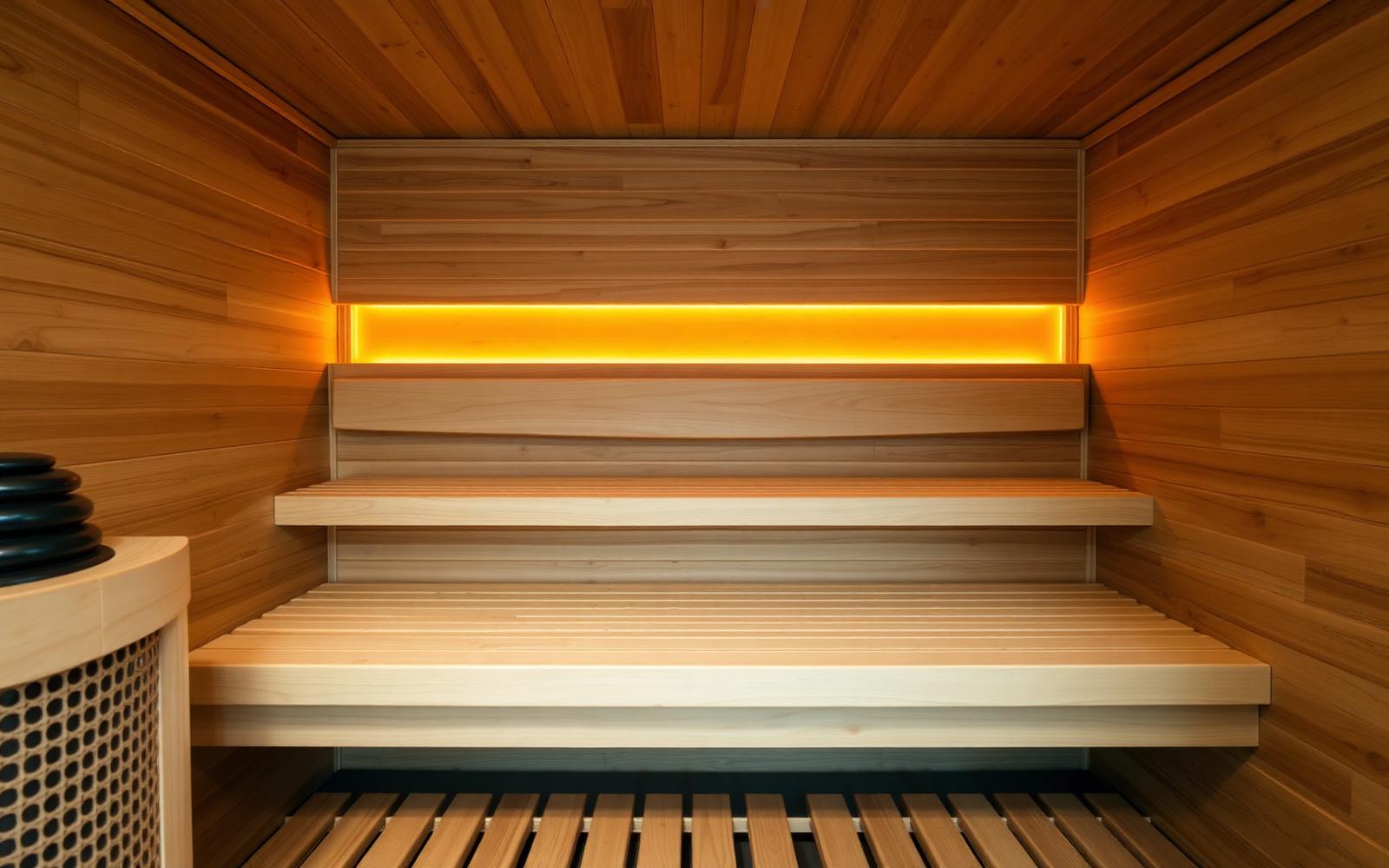
A common Löyly&Stone build uses cedar for the walls and ceiling — for the warmth, depth and scent — and thermo aspen for every surface a body touches. That gives you the aroma without the resin, and the pale, calm seating plane against a darker envelope, which also happens to be beautiful.
The exceptions are worth knowing. For an entirely serene, gallery-like interior we will line the whole cabin in aspen and let the light do the work. For clients who want the strongest traditional character, we will use cedar throughout with aspen only on bench tops and backrests. And where the exterior needs to read as architecture rather than timber, we char the cladding — which is a subject of its own.
What to avoid
- Knotty softwoods on bench surfaces — resin pockets get hot and stay hot.
- Any varnish, lacquer or film-forming finish inside a sauna. Interiors should be bare or treated with a paraffin-based sauna oil only.
- Dark hardwoods on seats unless you enjoy being branded.
- Mixing four species. Two, used with discipline, always looks better.
Ask for offcuts before you decide. Hold them, smell them, put them somewhere warm. Timber is the one specification you can genuinely assess with your hands, and every client who does it ends up happier with the result.