Siting is the cheapest decision in a sauna project and the one with the largest effect on how much you enjoy it. It costs nothing to move a building on a drawing and a great deal to move it afterwards. Yet it is usually settled in five minutes, by pointing at the flattest corner of the garden.
Here is the framework we use with clients, in the order the questions actually matter.
1. Distance from the door
The distance between your back door and the sauna door is the number that predicts usage. Our observation across projects is fairly consistent: eight to twenty paces is the sweet spot. Close enough that a wet January evening does not feel like an expedition; far enough that arriving at it feels like leaving the house behind.
If your garden forces a longer walk, invest in the route. A properly drained, well-lit, sheltered path can make thirty paces feel shorter than fifteen across a soggy lawn.
2. Privacy, in both directions
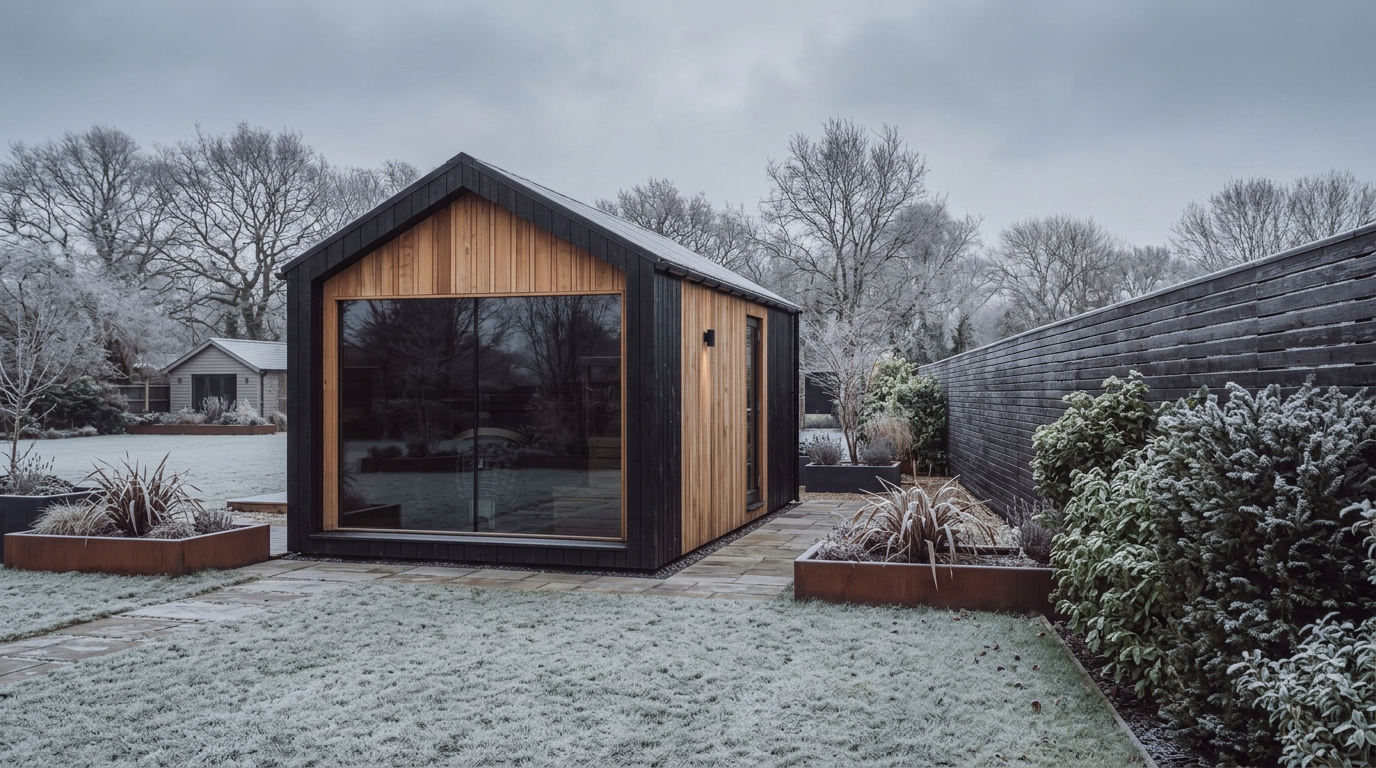
Two separate questions. Can you be seen from neighbouring windows while using the sauna or the cold shower? And can you see out — because a sauna with nothing to look at is a much smaller pleasure. The answer is rarely a higher fence. It is usually rotation.
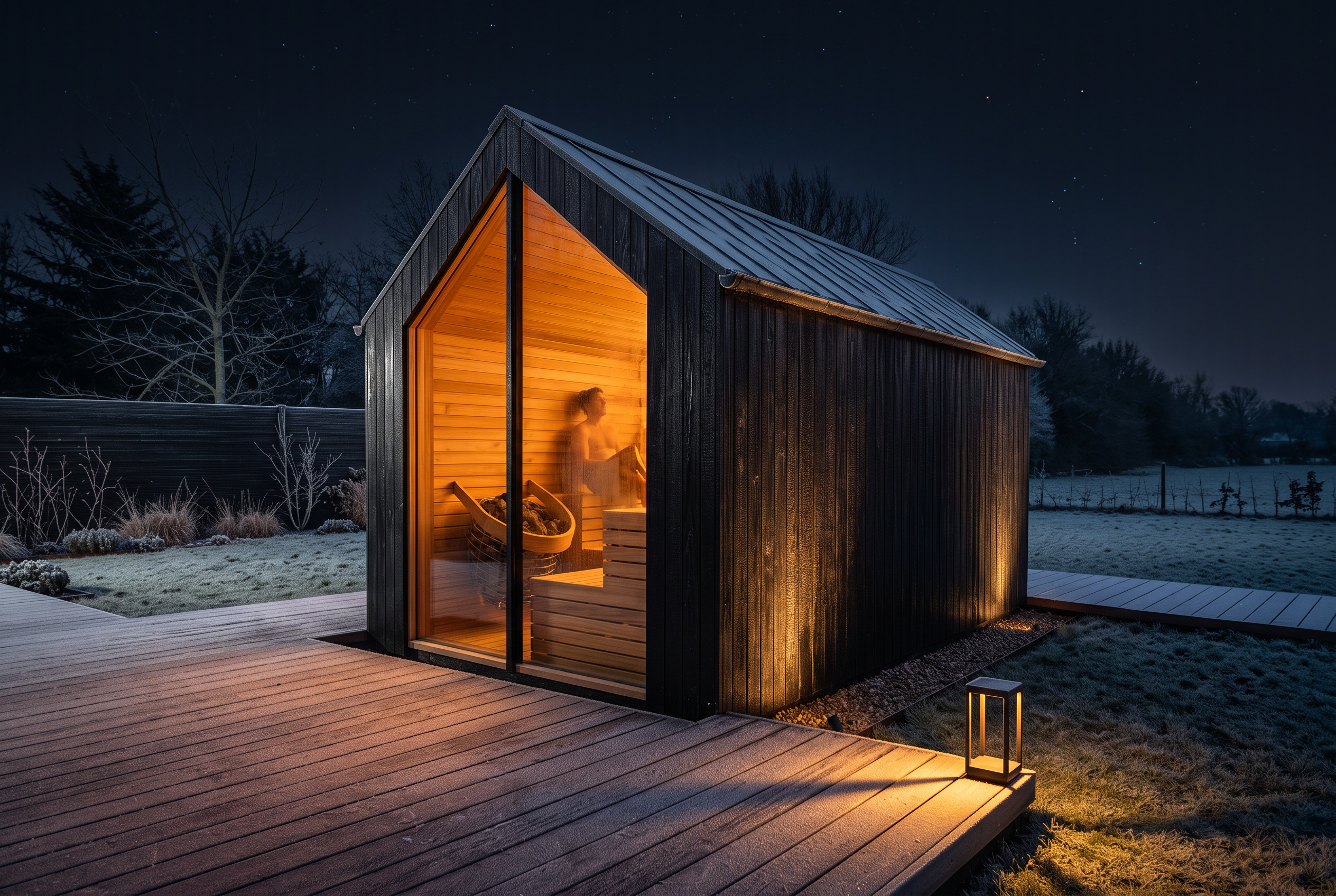
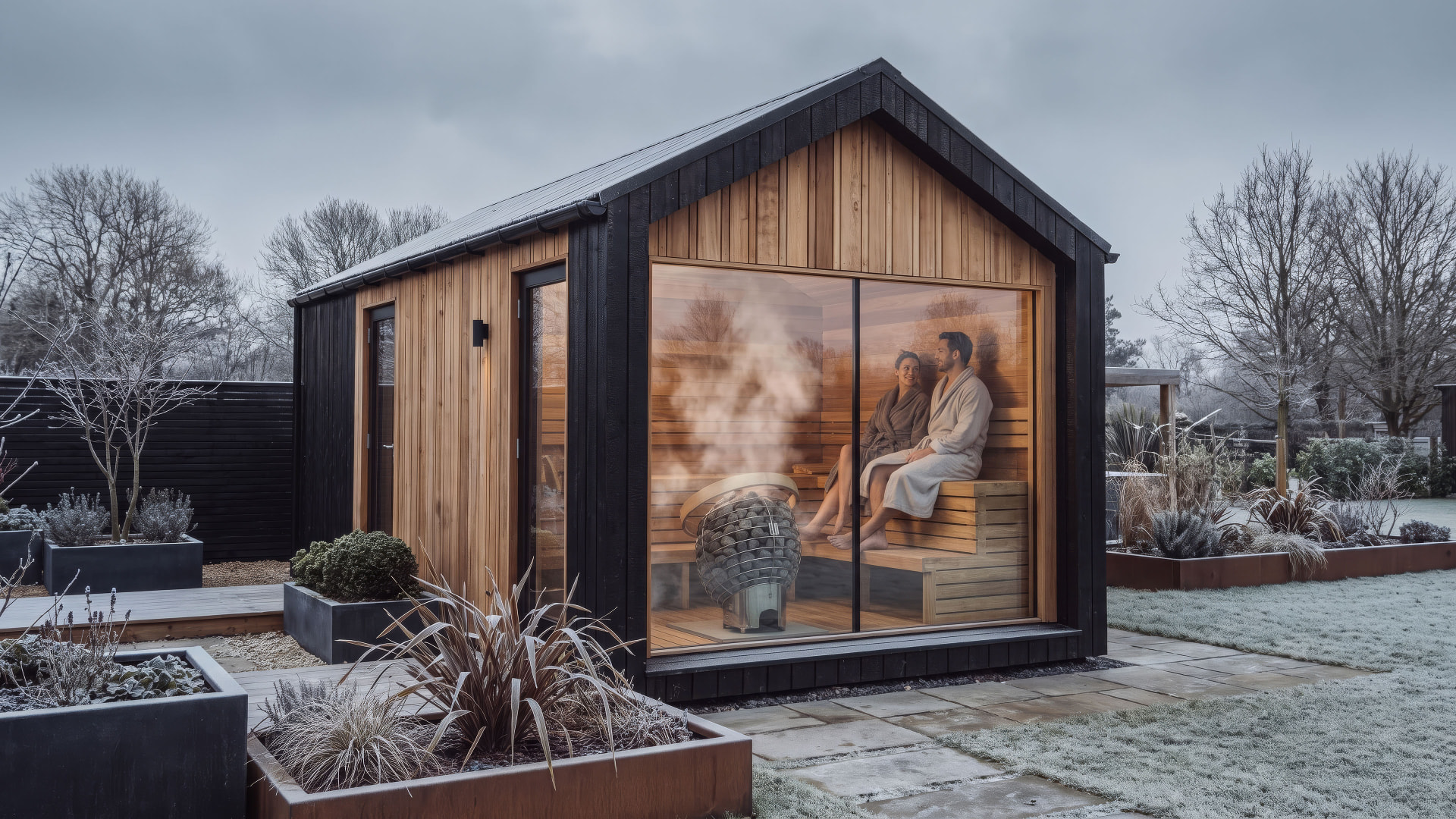
Turn the building a few degrees so that the glazing addresses a tree, a hedge or a planted corner rather than the boundary, and put the solid wall towards the overlooking window. You gain privacy and a view at the same time, without building anything taller.
3. Prevailing wind and the cold-down space
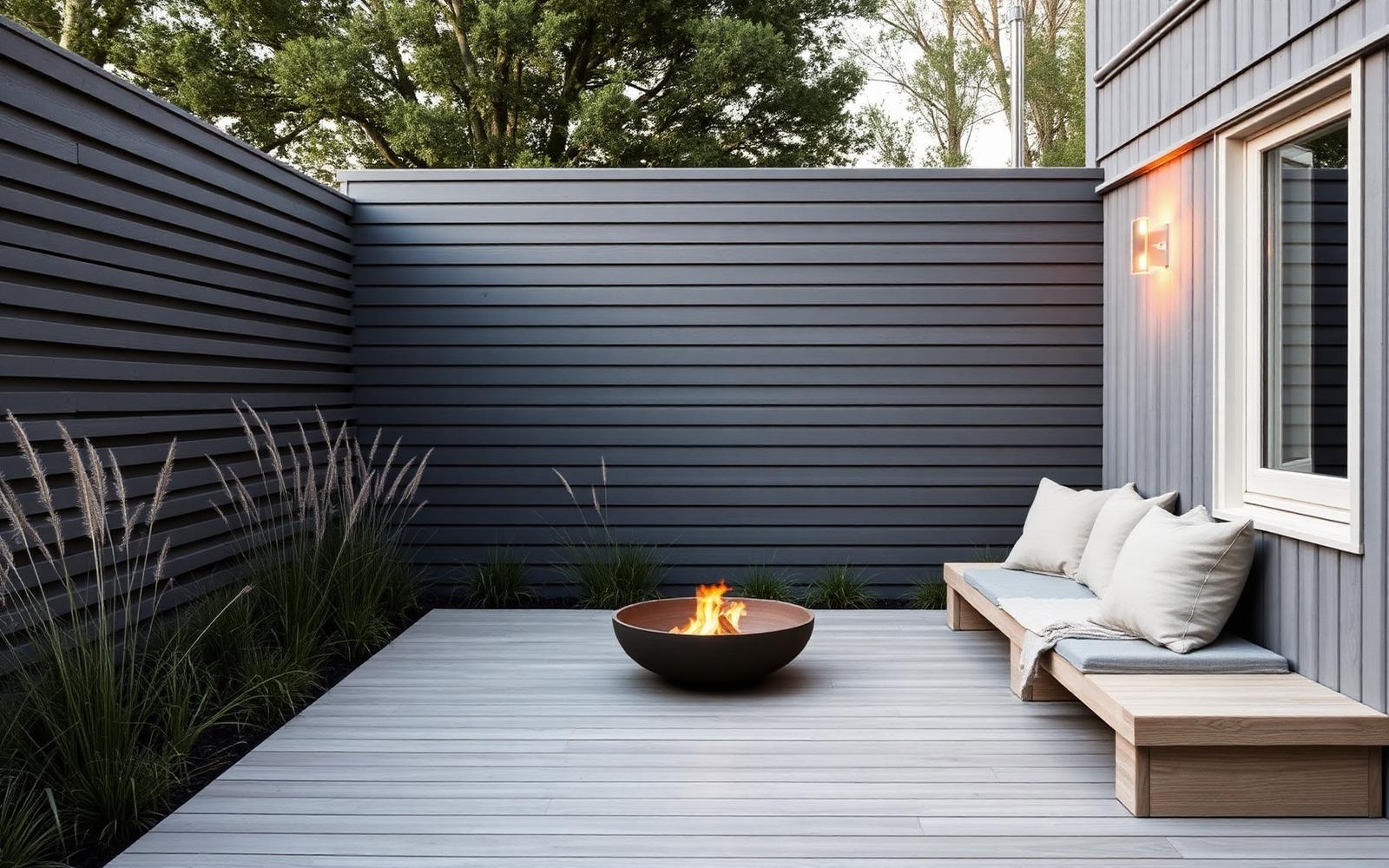
In the UK the prevailing wind is south-westerly. The area immediately outside the sauna door — where you will stand, cool down and breathe — should be sheltered from it. Nothing shortens a sauna session like stepping out hot into a crosswind. Use the building itself, a screen or existing planting to create a pocket of still air, and place any bench, shower or plunge tub inside that pocket.
Equally, do not enclose it completely. Part of the pleasure of cooling down outdoors is the temperature contrast and the open sky. Shelter from wind, not from weather.
4. Orientation, light and the view
- North-facing glazing gives even, soft light and no glare — excellent for daytime use.
- West-facing glazing catches the evening sun, which suits most people's sauna habit.
- South-facing glazing can overheat the interior in summer and creates strong reflections at night.
- East-facing glazing is a gift if you are a morning bather.
Sit in the proposed position at the time of day you expect to use it — actually sit there, on a stool, for ten minutes — before the drawings are fixed. It is a five-minute exercise that reliably changes the plan.
5. Ground, drainage and services
A sauna needs a level, stable, free-draining base and a way for water to leave. Avoid the low point of the garden, avoid the base of a slope where water accumulates, and keep the structure clear of large tree roots and any drain runs or inspection chambers. If a cold shower or plunge is part of the plan, agree where that water goes before you break ground — a soakaway, a permeable surface, or a proper connection.
Electrical supply is the other early conversation. An electric heater typically needs a dedicated circuit and, in the UK, electrical work in a garden building must comply with BS 7671 and be certified. Get the cable route agreed while the ground is open, not after you have laid the terrace.
6. Planning and building regulations
In many cases a garden sauna is treated as an outbuilding and falls under permitted development, subject to limits on height, position relative to boundaries and proportion of garden covered. Those limits are tighter in conservation areas, on listed properties and in national parks, and they change. Check your specific situation against the Planning Portal's guidance and, where there is any doubt, apply for a lawful development certificate.
Source: Planning Portal — Outbuildings: permitted development guidance
7. The long view
Finally, consider the building as an object in the garden for the next twenty years. It will be visible from the house every day, including the days you do not use it. Put it where it composes well — closing a view, terminating a path, sitting against a backdrop of planting — and it earns its place even when cold.
Site it for February, and it will be a joy in June.